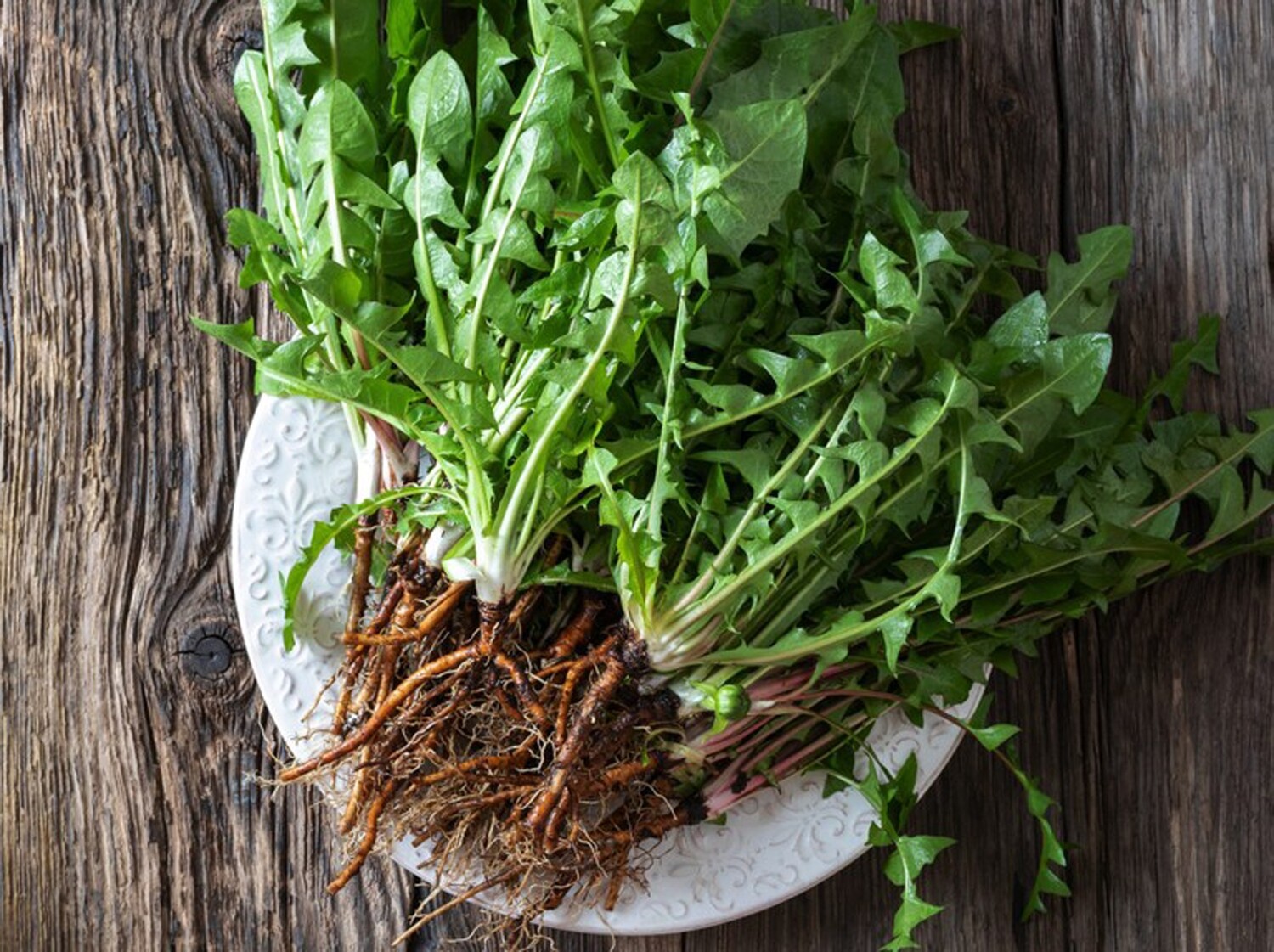
10 x Wild Dandelion Plants – Taraxacum officinale Bare Root | Edible Leaves, Roasting Roots & Wildlife
£19.99
Sold out
Sold out
Product Details
🌼 10 x Wild Dandelion (Taraxacum officinale) Bare Root Plants
One of Britain's most familiar wild plants, the humble Dandelion has a remarkably long history as a food, traditional botanical and useful wildlife plant.
Our Dandelions grow naturally in our family-managed woodland meadows on the North Downs in Surrey and are dug fresh to order and supplied bare root.
Far more than simply a lawn weed, virtually every part of the Dandelion has been traditionally put to use – from its young leaves and flowers to its substantial roots.
🌱 You Will Receive
- 10 x wild Dandelion plants
- Taraxacum officinale
- Supplied bare root
- Dug fresh to order
- Roots included
- Hardy perennial wild plants
- Naturally grown in Surrey
Plant size and the amount of foliage will vary considerably according to the season.
☕ Dandelion Root Coffee
Dandelion roots have traditionally been dried and roasted to make a naturally caffeine-free coffee substitute.
The roasted roots can be ground and infused in hot water to produce a dark, earthy drink commonly known as Dandelion coffee or roasted Dandelion root coffee.
Customers wishing to use plants for culinary purposes should identify and prepare them correctly and follow an appropriate food preparation guide.
🌿 Traditional Botanical Uses
Dandelion has been valued in European herbal traditions for centuries and continues to be widely used in traditional botanical preparations and herbal products.
We don't make claims that Dandelion can diagnose, treat, prevent or cure medical conditions, but its long history as a traditional botanical is one of the reasons the plant remains so popular today.
Different parts of the plant have traditionally been used for:
- Herbal infusions and teas
- Roasted-root drinks
- Botanical preparations
- Natural soaps and skincare making
- Young leaves in food and salads
- Flowers in culinary preparations
- Pressed-flower crafts
- Natural dye and botanical projects
🐝 Wildlife & Pollinators
Dandelions are also valuable plants for a wildlife-friendly garden.
Their familiar yellow flowers are visited by bees, hoverflies and other pollinating insects, while the plants can form part of a more natural lawn or meadow planting scheme.
Dandelion is also commonly grown as a forage plant for suitable herbivorous pets, including tortoises and rabbits.
Owners should always make sure individual plants and quantities are appropriate for the particular animal being fed.
🌼 Hardy & Easy to Establish
Your plants will be packed to help retain moisture around the roots during delivery.
When they arrive:
- Unpack promptly.
- Soak the roots in water if they appear dry.
- Plant into prepared soil.
- Water thoroughly after planting.
- Keep watered while they establish.
Dandelions are extremely hardy perennial plants. Top growth naturally changes or dies back according to season and conditions before returning from the established root.
Please Note
These are wild-grown plants, not uniform commercially propagated nursery plugs.
Expect natural differences in root size, leaf growth and overall appearance. Depending on the season, plants may arrive with substantial foliage or relatively little growth above the root.
🌳 From Our Surrey Woodland Meadows
Our Dandelions grow naturally in our family-managed woodland meadows on the North Downs in Surrey.
No pesticides or insecticides are used on our land, and plants are lifted in small quantities as part of our ongoing woodland management.
Hanging Wood has been managed by our family since 1976.
About Us: Hanging Wood is located on the North Downs in Surrey. All our products are hand made from sustainably sourced materials grown in our own woodlands.
🌱 Explore Our Wild Plants & Wildflowers
Create a more natural garden, wildflower lawn or wildlife-friendly planting area with plants grown naturally in our Surrey woodland and meadow.
→ 10 x Wild Alpine Strawberry Plants
Hardy woodland strawberries producing small, sweet fruit and attractive low-growing ground cover.
→ 10 x Wild Bugle – Ajuga reptans
A spreading native woodland wildflower with blue-purple flowers, ideal for ground cover, woodland gardens, wildflower lawns and pollinator-friendly planting.
→ 10 x Common Daisy – Bellis perennis
A hardy, low-growing native wildflower particularly suited to lawns, meadows and wildlife gardens, with flowers visited by bees, hoverflies and other pollinating insects.
10 x Wild Dandelion Plants – Taraxacum officinale Bare Root | Edible Leaves, Roasting Roots & Wildlife
Display prices in:GBP